
PAIDEIA
(py-dee-a) from the Greek pais, paidos: the upbringing of a child.

Professional Development by The National Paideia Center is provided to a world-wide network of educators through training, technical support, and publications.

Paideia teachers use three instructional techniques:

  1. didactic instruction for increasing students’ factual recall,
  2. intellectual coaching for developing students’ literacy skills, and
  3. seminar dialogue to strengthen students’ conceptual understanding.

Sample Paideia Seminar Dialogue plans:
The newest versions of Paideia Seminar Dialogue plans include expanded pre- and post-seminar process and content sections that emphasize the potential for teaching a full range of literacy and thinking skills. See the examples below:


Upcoming Learning Opportunities

Register Online or
Download the Institute Registration Form
(PDF Form -- type and print)

Introduction to Paideia Seminar

October 7-8, 2008

Paideia Project Design and Performance Assessment

October 7-8, 2008

Teaching Math and Science through the Paideia Seminar

October 7-8, 2008

In Paideia classrooms, all students are involved in a wide range of academic work and social practices needed to achieve the following objectives:

  • to become good citizens,
  • to earn a decent living,
  • and to lead a good life.

Paideia classrooms feature seminar dialogue to teach critical and creative thinking. Paideia schools are built on the idea that public schooling is preparation for becoming educated over the course of one’s life time.


The National Paideia Center is a not-for-profit organization affiliated with the University of North Carolina since 1988. The Center supports a world-wide network of educators through training, technical support, and publications.

Questions or comments about Paideia? Issues with our website? We maintain a broken link checker.
Send email to info@paideia.org or call 919 962 3128.

Paideia News

Recent Research Findings:
"Maieutic frames may provide the necessary
scaffold so that these open-ended maieutic
questions guide students to look for answers
beyond the literal, to identify logical errors,
and misinterpertations for the text (in Paideia
Seminars).


Read the entire mixed method dissertation:
Maieutic Frame Presence and Quantity and
Quality of Argumentation in a Paideia Seminar,

by Pelusa Orellana, Ph.D. from the University
of North Carolina, Chapel Hill.


2009 Conference Location Announced!

Read  Thinking is Literarcy, Literacy Thinking.
EDUCATIONAL LEADERSHIP by Terry Roberts
and Laura Billings. Copyright 2008 by Assn
for Supervision & Curriculum Development.
Reproduced with permission of Assn for
Supervision & Curriculum Development.


Paideia International Partner 
Mimer Academy is a
Paideia International Partner.
 

Paideia Video

Visit with students an and teachers engaged in Paideia Seminar dialogue and Paideia Projects.


Research

Doctoral Dissertation
submitted by Pelusa Orellana, Ph.D.,
University of North Carolina
Chapel Hill, North Carolina
2008
Maieutic Frame Presence and Quantity and Quality of Argumentation in a Paideia Seminar

Doctoral Dissertation
submitted by Ann S. Philgren, Ph.D.
Norrtalje, Sweden
2008
Socrates in the Classroom: Rationales and Effects of Philosophizing with Children

Doctoral Dissertation
submitted by Donna J. Robinson,Ph.D.
University of Massachusetts
Lowell, Massachusetts
2006
The Paideia Seminar: Moving Reading Comprehension from Transaction to Transformation


Our Vision

The National Paideia Center improves the ability of adults and students to think and communicate so that each might become a good citizen of the world, earn a decent livelihood, and lead a good life. Our Vision is that The National Paideia Center will become a campus of learning dedicated to the exploration of ideas in support for active lifelong learning.


Seminar Dialogue

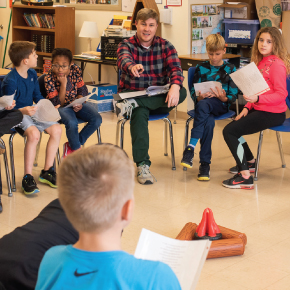
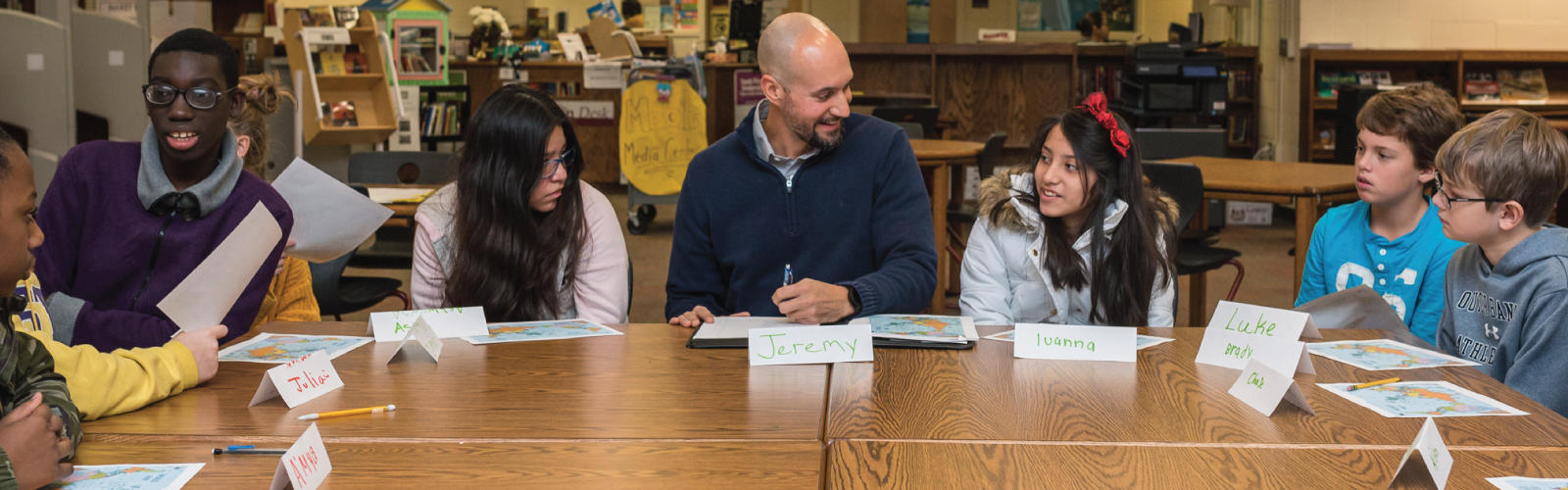
The Paideia Seminar is a collaborative, intellectual dialogue facilitated by open ended questions about a text.

Sample Paideia Seminar
Dialogue Plans
(Expanded Version)


  Copyright UNC 2002-06. All Rights Reserved. Printer Friendly PagePage Information